
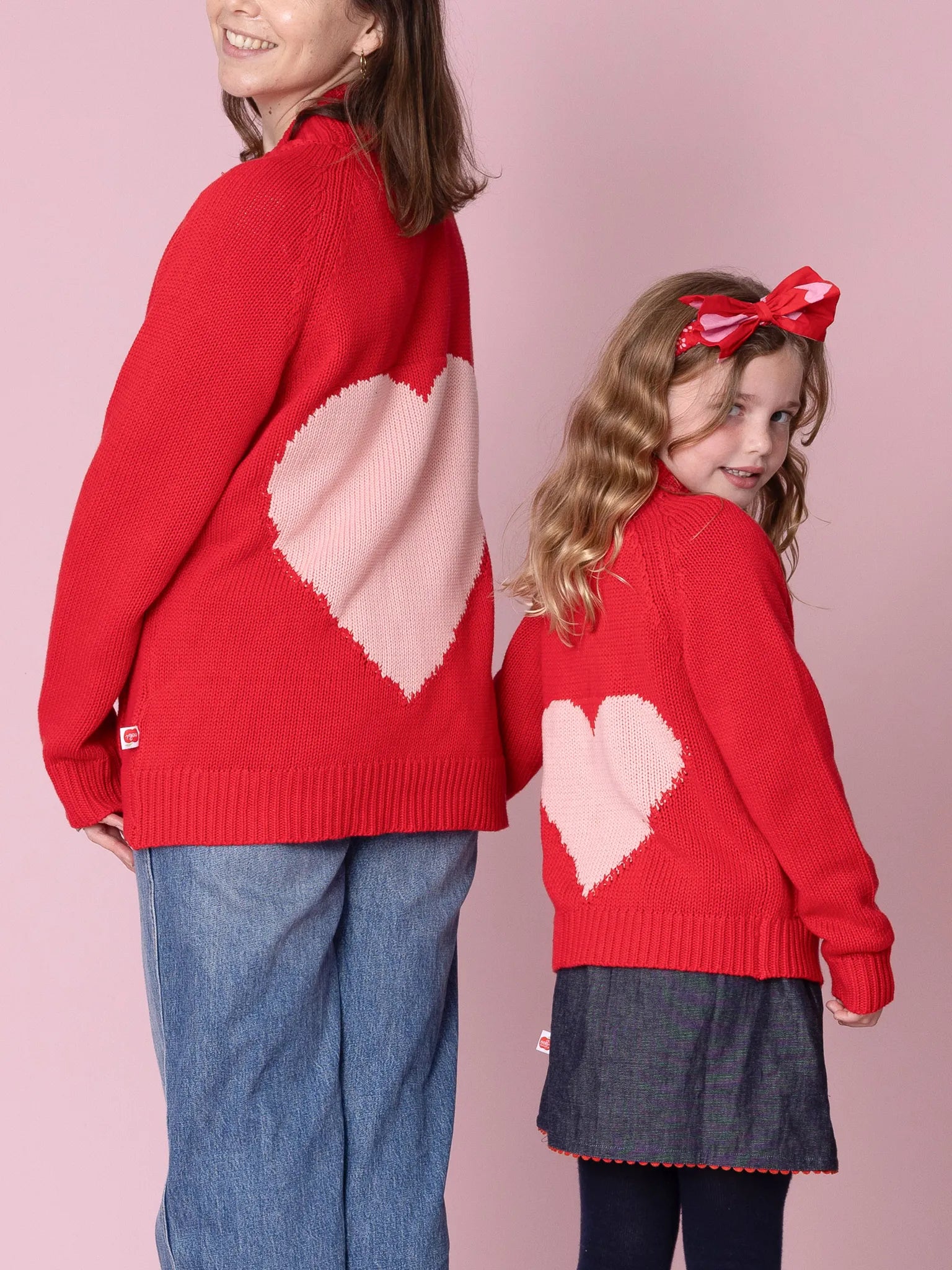
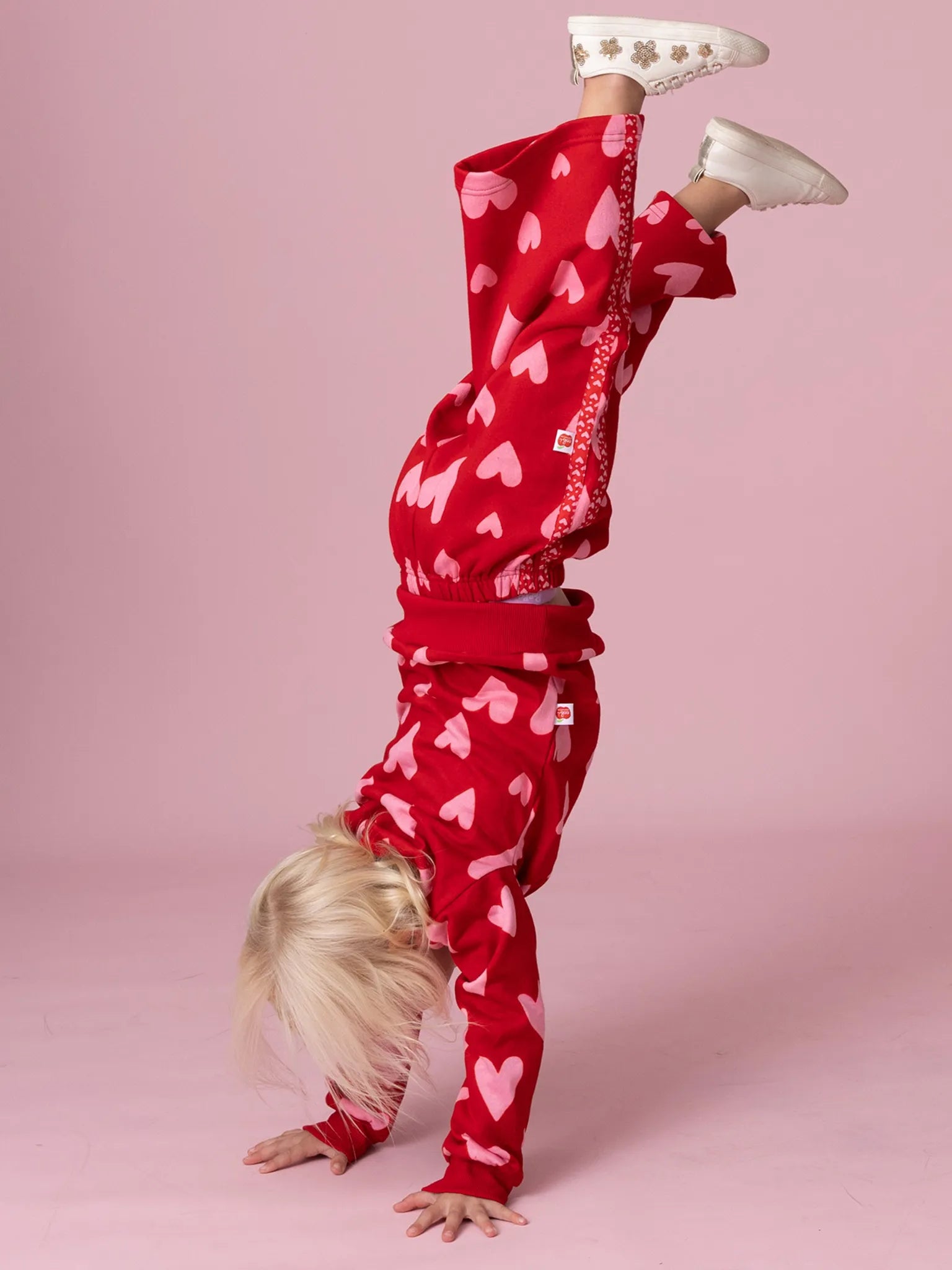

Ethical Children’s Clothing Australia: What Parents Should Look For
When it comes to dressing your child, comfort, safety, and values all matter. Many Australian families are now choosing ethical children’s clothing that’s kinder to skin, workers, and the planet. This guide explains what ethical kidswear really means, and how to choose beautiful, responsibly made pieces that last.

-
Ethical children’s clothing focuses on fair wages, safe working conditions, and responsible materials.
-
Natural fibres like cotton are breathable and gentle on sensitive skin.
-
High-quality garments last longer and can be passed down or resold.
-
Transparent brands share details about sourcing, production, and values
What Is Ethical Children’s Clothing?

Ethical children’s clothing refers to garments made with respect for people, animals, and the environment. This usually includes:
-
Fair wages and safe conditions for workers
-
Responsible sourcing of materials
-
Reduced environmental impact
-
Long-lasting, high-quality design
In Australia, more parents are prioritising ethical fashion because it aligns with family values, supports better industry practices, and often results in more durable, comfortable clothing.
Key Facts: Ethical vs Conventional Kidswear

Factor |
Ethical Clothing |
Conventional Fast Fashion |
|---|---|---|
| Materials | Natural, certified, or responsibly sourced | Often synthetic or blended |
| Worker Conditions | Fair wages, safe environments | Often unclear or unregulated |
| Durability | Designed to last and be handed down | Shorter lifespan |
| Environmental Impact | Lower, with mindful production | Higher waste and resource use |
How to Choose Ethical Kids Clothing

1) Look for Natural, Breathable Fabrics
Cotton and other natural fibres help regulate body temperature and reduce irritation—especially important for active kids and sensitive skin.
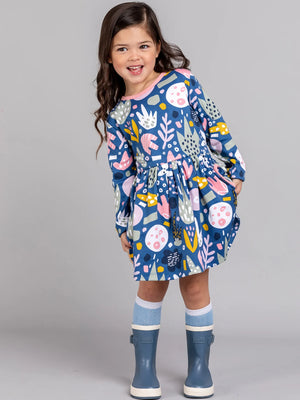
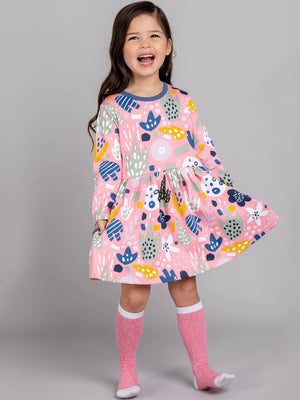
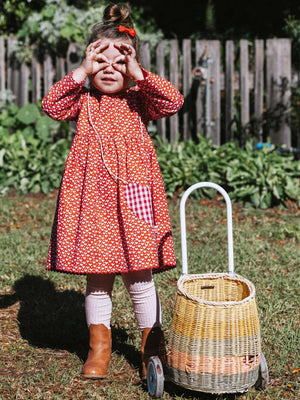
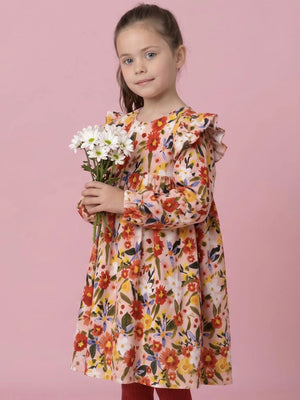
Browse breathable, everyday pieces in the Girls Dresses Collection.
2) Check for Transparency
Ethical brands usually share information about:
-
Where garments are made
-
How workers are treated
-
What materials are used
This openness helps parents make informed choices.
3) Choose Quality Over Quantity
Well-made garments:
-
Keep their shape after many washes
-
Can be passed down to siblings or friends
-
Reduce the need for constant replacements
This approach is both cost-effective and environmentally friendly.
4) Pick Timeless, Play-Friendly Styles
Classic silhouettes and versatile colours ensure clothes work across seasons and occasions, maximising wear and reducing waste.
FAQs

What makes children’s clothing “ethical”?
Ethical clothing is made using fair labour practices, safer materials, and more responsible production methods. It prioritises people and the environment.
Is ethical kidswear more expensive?
Sometimes the upfront cost is higher, but better quality means clothes last longer, making them more economical over time.
Why is cotton popular in ethical kidswear?
Cotton is soft, breathable, and comfortable for everyday play. It’s especially suitable for warm climates and sensitive skin.

Ethical children’s clothing is about more than style. It’s about comfort, longevity, and values. By choosing well-made, responsibly produced garments, parents can build wardrobes that feel good in every sense.


Leave a comment
This site is protected by hCaptcha and the hCaptcha Privacy Policy and Terms of Service apply.